

The first saplings grown from the felled Sycamore Gap tree were planted on 22 November 2025.
Marking the start of National Tree Week in the UK (25 November to 5 December 2025), the National Trust’s Trees of Hope project—launched in September 2024—is finding homes for forty-nine saplings grown from the felled tree.
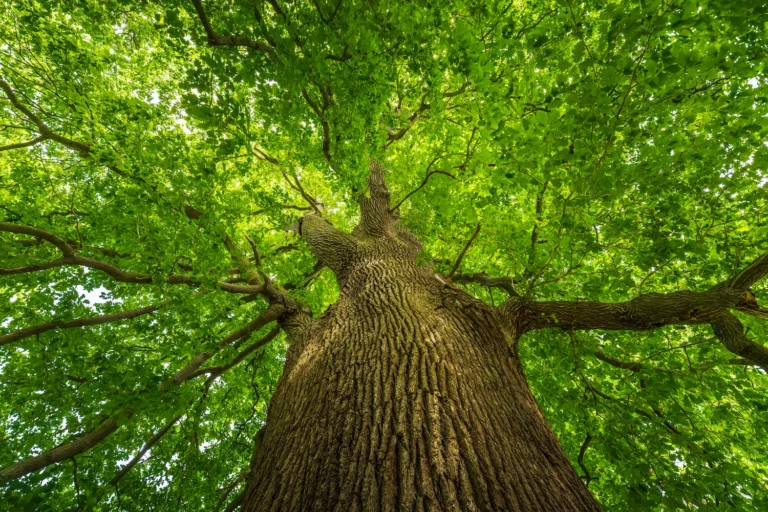
The Sycamore Gap tree stood in a dip along Hadrian’s Wall in Northumberland for over a century, becoming one of Britain’s most photographed and beloved landmarks. It was illegally chopped down in the middle of the night in September 2023, prompting a nationwide outcry of shock and grief.
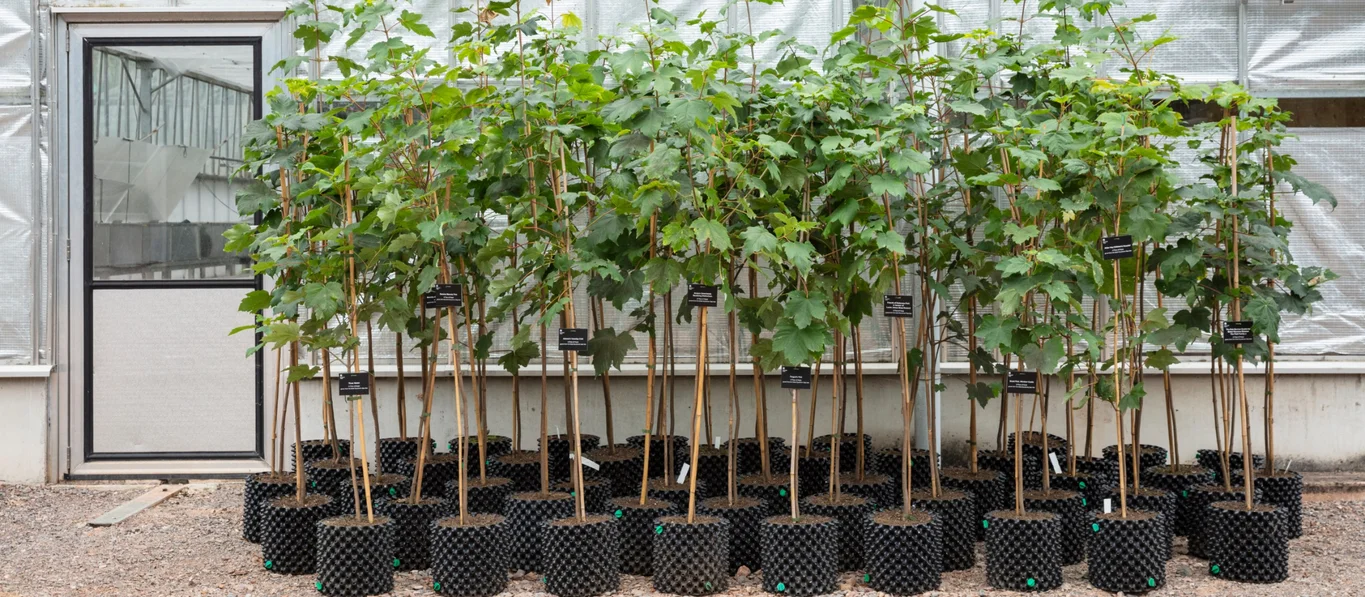
The offspring were cultivated from seed collected from the original tree and have been patiently nurtured at the National Trust’s Plant Conservation Centre for the past two years. Now standing between 1.2 and 1.8 metres tall, they’re strong enough to survive outdoors.
In total, forty-nine new trees were raised, symbolising the Sycamore Gap tree’s height in feet when it was felled. Almost 500 applications for the trees were submitted by individuals, community groups, and organisations across the UK, each sharing heartfelt stories of their bond with the original tree and their appreciation of nature. A panel of experts reviewed the submissions, describing it as a privilege to read every one.
The young trees will be planted in public spaces from Cornwall to Orkney and Northern Ireland, so that as many people as possible can connect with the Sycamore Gap tree’s legacy.
Hilary McGrady, Director General of the National Trust, said:
“It was the quick thinking of our conservationists in the aftermath of the felling that has allowed the Sycamore Gap tree to live on.
The team has cared for these 49 hopeful saplings beautifully and they’re now ready to be given to communities, where they’ll become a source of inspiration, a place to reflect, a home for nature or simply a reminder that there are always good things worth fighting for, even after something so senseless. We’re looking forward to seeing them thrive.”
The first five ‘Trees of Hope’ were placed in the ground on 22 November at locations including Coventry, Staffordshire, and Berkshire. In Coventry, the event was hosted by the city’s Tree Sanctuary and the Tree Amigos—three teenagers, Tom, Adam, and Owen, who inspired the project in 2023. In a symbolic moment, the young tree was carried from the Sanctuary to Sowe Valley, where the trio planted it themselves.
The Tree Sanctuary—co-founded by Tom’s mother Martina Irwin and the Tree Amigos with strong community support—offers a safe home for trees that have been vandalised, damaged by animals or are unwanted. The team has already rescued several that were due to be cut down by a developer, and they also cultivate rescued seeds, returning the newly grown trees to community spaces across Coventry.
In Staffordshire, a sapling now stands at the memorial garden in Halmer End, which honours the Minnie Pit coal mining disaster of 12 January 1918. The underground explosion claimed the lives of 155 miners—men and boys—along with one rescuer. The young tree serves as a symbol of life and hope rising from destruction.
In Berkshire, a Tree of Hope was placed in the ground at Greenham Common. The site was used as a military airbase for decades, from the Second World War through the Cold War, when it housed US Air Force bombers and later cruise missiles. In 1981 it became the focus of the long-running Greenham Common peace camp, when a small group of women began campaigning against nuclear weapons. The camp grew quickly; the following year thousands joined in mass demonstrations, and for many years afterwards women maintained a continuous presence at the site.
After the base closed, the common was reopened to the public in 2000 and has since become a place for nature and community. The sapling was planted close to the former control tower, now a community centre and museum. The growing tree will greet many visitors, reminding them of the resilience of the community and the renewal of the site as a space for nature and reflection.(1)
Next week, Sir Partha Dasgupta, a professor of economics at the University of Cambridge, will plant a sapling at Coton Orchard, Cambridgeshire, as part of a grassroots project Coton Loves Pollinators.
Named a Champion of the Earth by the United Nations in 2023, Sir Partha is internationally recognised for showing how vital nature is to human wellbeing and the economy.
That same week, additional saplings will take their places at Hexham General Hospital in Northumberland, The Rob Burrow Centre for Motor Neurone Disease at Seacroft Hospital in Leeds, and Veterans in Crisis, a charity for veterans in Sunderland.
In December, another will be planted in the grounds of Henshaw Church of England Primary School, the closest school to the Sycamore Gap.
In early 2026, a further fifteen will be added—one to each of the UK’s National Parks, including Northumberland, where the Sycamore Gap tree once stood.