
It turns out bees are highly selective about the pollen they collect — and it could change the flowers we grow for them.
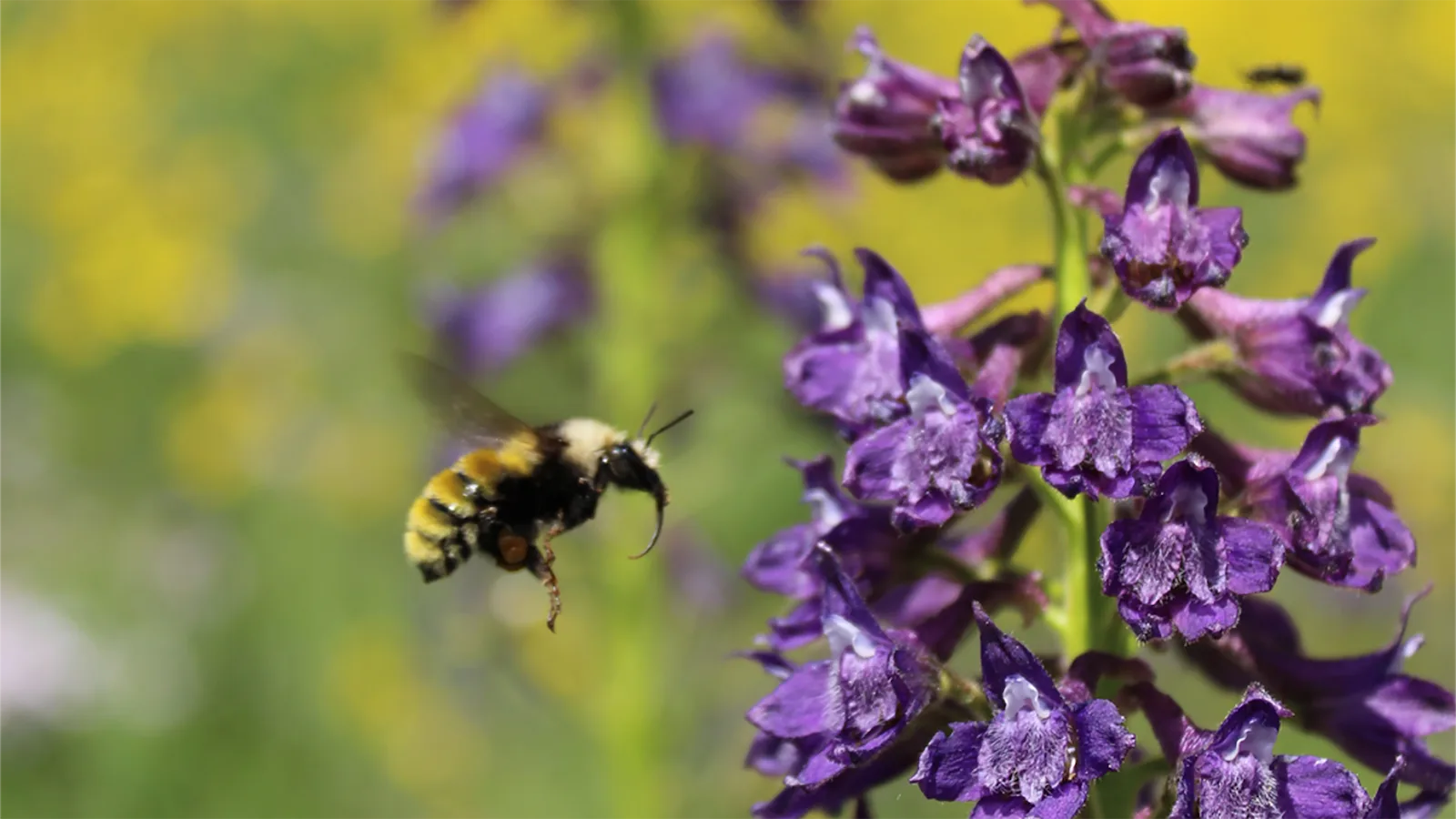
A bumblebee foraging in spring is after something specific. Not just any pollen — protein-rich pollen, the kind that fuels a new colony getting started after winter. By late summer, the same bee may have shifted its preferences entirely, seeking out flowers higher in fats and carbohydrates. It knows what it needs, and it goes looking for it.
In the wild, bumblebees rely on two things from flowers: sweet, syrupy nectar, which fuels adult bees through long days of foraging, and pollen rich in fat and protein — collected mainly to feed their young but also important for the bees themselves.
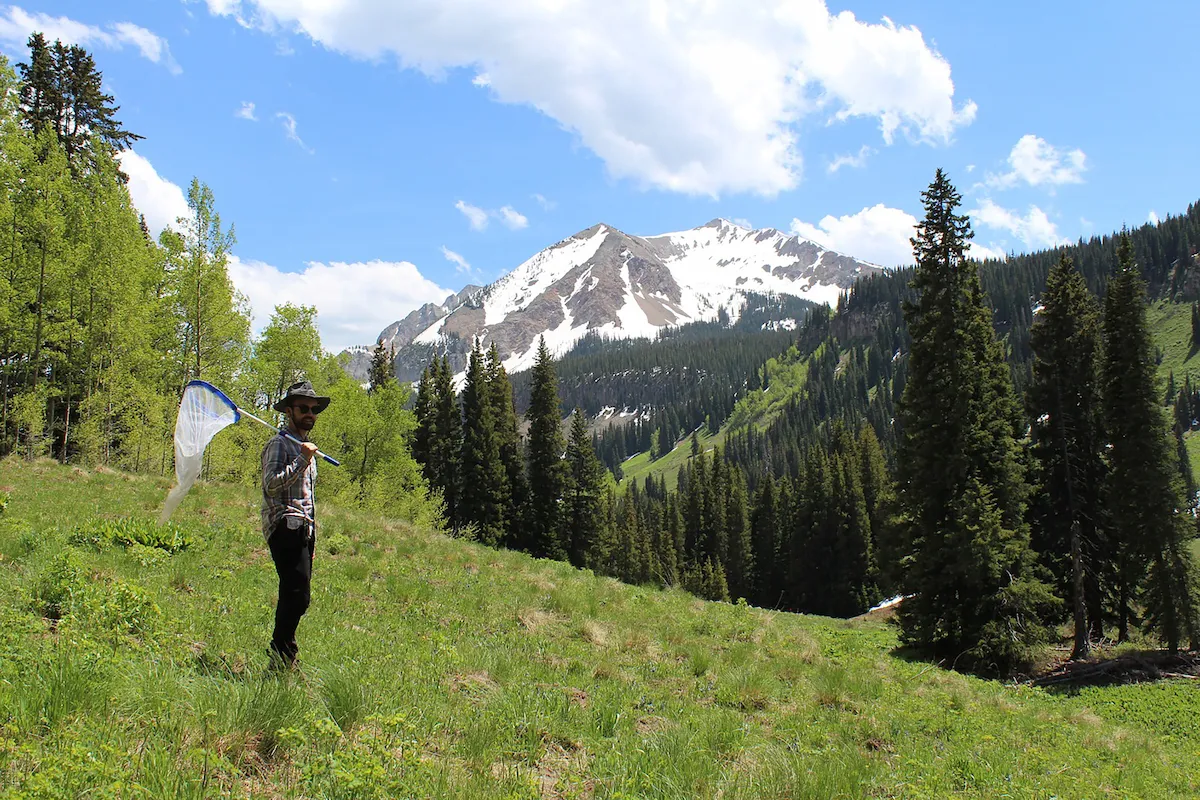
In the first long-term study of bumblebee nutrition in the wild, a team of ecologists tracked eight species of bumblebees over eight years in the Rocky Mountains, Colorado. The researchers tracked which flowers each species visited for pollen, then analysed samples from 35 plant species for their protein, fat and carbohydrate content.
“All pollen contains protein, fats, and carbs,” said Justin Bain, the study’s first author. “But each type of pollen has a different mixture of these macronutrients. Some are very high in protein, like a steak. Others are more like a salad. So, the nutritional profiles are very, very different.”
In some flowers protein makes up just 17 percent of the pollen’s nutritional content. In others it reaches 86 percent. Bumblebees, it turns out, know the difference — and they factor it into their foraging.
Until now, nobody had tracked what that means for wild bee communities over time. Despite how important wild pollinators are — bees especially — surprisingly little has been known about their nutritional needs.
Paul CaraDonna, the study’s senior author, describes this gap as “surprising and concerning” given how pollinator populations have declined around the world. “We know that bees forage exclusively from flowers for pollen and nectar,” he said. “Beyond that, we are in the dark. That is like humans shopping at a grocery store and assuming that all food items in the entire store have similar nutritional value. Clearly, that is a bad assumption.”
Working across all eight species, the researchers found that the bees fell into two distinct groups. Those with bigger bodies and longer tongues favoured protein-rich pollen that was lower in fats and carbohydrates. Shorter-tongued bees preferred pollen higher in fats and carbohydrates and lower in protein.
Tongue length determines which flowers a bee can reach, which likely explains the difference in diet between the two groups — and helps them avoid direct competition despite sharing the same habitat.
There’s a seasonal dimension to this too — one that’s closely tied to the colony’s life cycle. Spring flowers tend to be richer in protein, while late summer blooms are higher in fats and carbohydrates.
“Queen bees emerge in the spring to establish their colonies,” said Bain. “They forage when the snow first melts, collecting protein-rich pollen for themselves and their first brood. Later in the summer, worker bees take over foraging, and half of the species shifted toward pollen with less protein and more fats. Seeing these clear transitions between queens and workers was especially striking, and it highlighted how differently species meet their nutritional needs across the colony life cycle.”
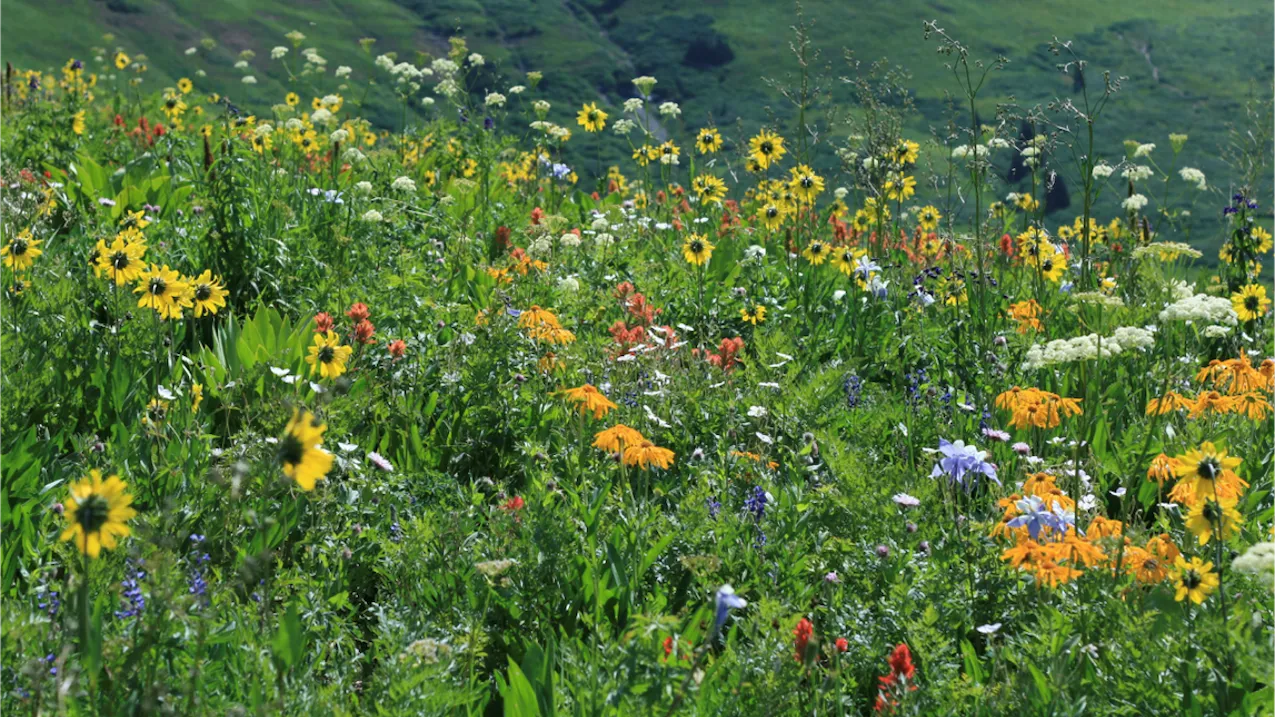
For anyone with a garden, the findings have a practical message: bees and other pollinators face serious pressures — habitat loss, pesticides, climate change and poor nutrition among them. To help support them, choosing the right mix of plants, blooming across the season and providing a range of nutrients, matters as much as the number of flowers you grow.
“We now have a better idea of what bees are bringing home in their grocery bags,” said CaraDonna. “Although this work is from one ecosystem in the Rocky Mountains, it paints a very important picture for scientists to build upon.”
The study was part of Bain’s doctoral dissertation and was led alongside CaraDonna, an adjunct associate professor in the Program in Plant Biology and Conservation, a partnership between Northwestern University and the Chicago Botanic Garden. It was published in the Proceedings of the Royal Society B: Biological Sciences in August 2025.